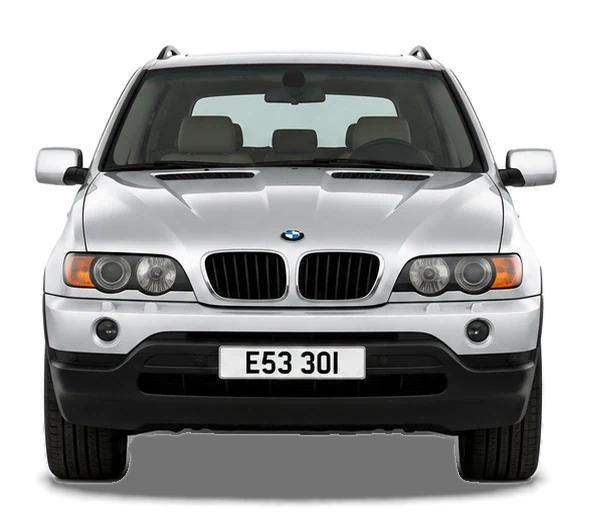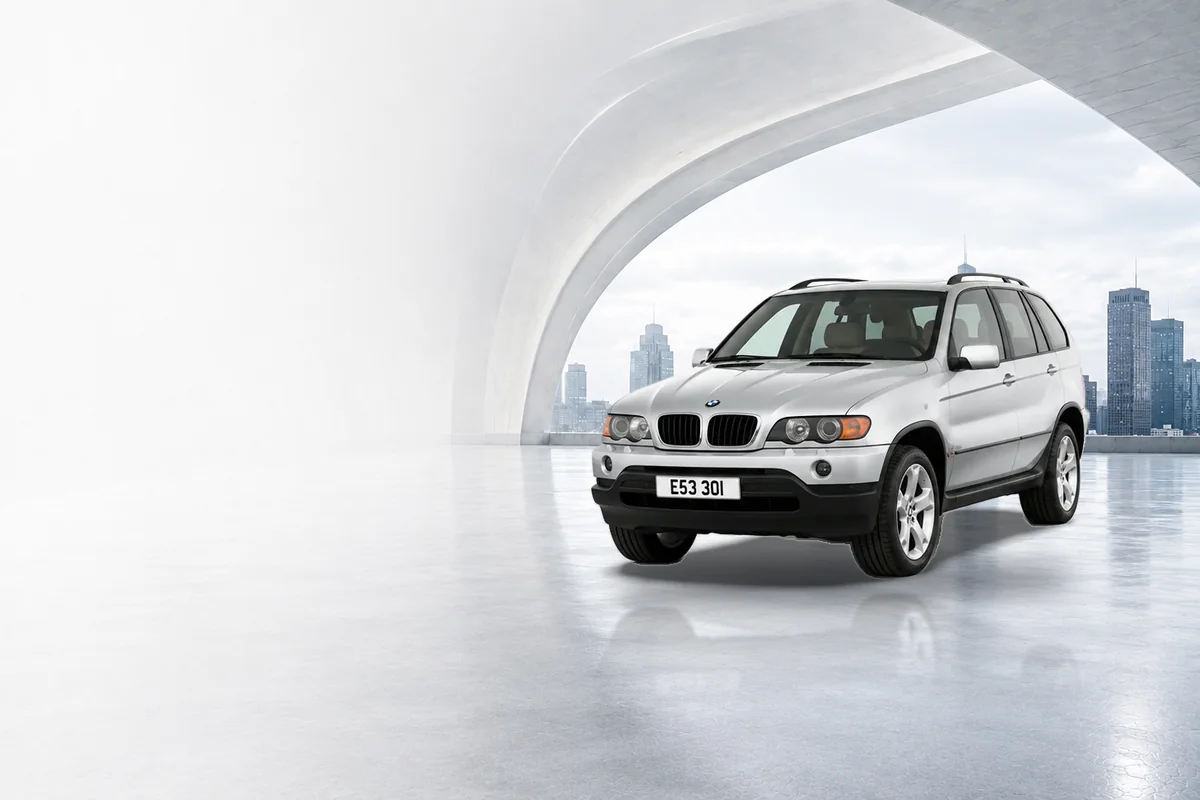


BMW X5 E53 Engines -The Complete UK Guide
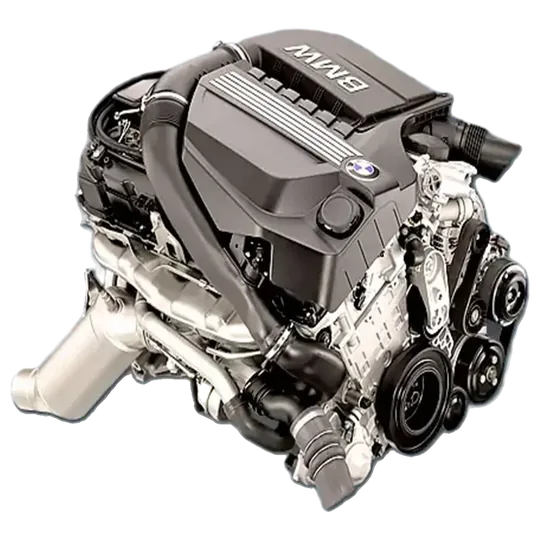
Every engine fitted to the first-generation X5 E53 -from the 3.0-litre M54 straight-six to the 4.8-litre N62 V8, including the M62 V8s and the M57 diesel. Real UK costs, honest reliability data, and BMW's first-ever SUV. Backed by 73+ real UK E53 enquiries in 2025 [EM-VERIFIED].
Explore E53 EnginesBMW X5 E53 Engine Codes -The Complete Database
Every engine fitted to the X5 E53 specifically -from the entry-level 3.0i to the range-topping 4.8is, including the mid-life N62 V8 replacement for the M62.

Overview
BMW X5 E53 -Overview
The E53 was BMW's first-ever SUV, launched in September 1999 as a 2000 model year vehicle.
Developed during BMW's ownership of Land Rover, it shared hill descent control and off-road engine management systems with the Range Rover L322, though the E53 was always more road-focused. Built on a modified E39 5 Series platform, the E53 featured a unibody construction, fully independent suspension and permanent all-wheel drive with a 38:62 front-to-rear torque split. The engine range launched with the 4.4-litre M62 V8, joined by the 3.0-litre M54 straight-six in 2000 and the 3.0-litre M57 diesel in 2001. A 2003 facelift brought the N62 V8 family, replacing the M62 with Valvetronic-equipped units, and the 4.8is replaced the 4.6is in 2004.
Key Facts
Platform
BMW E39 (modified)
Predecessor
N/A (first BMW SUV)
Successor
BMW X5 E70
Sibling body styles in this generation
N/A -E53 is the sole body code
Market Intelligence
The X5 E53 generated 73 real UK engine enquiries in 2025 [EM-VERIFIED], concentrated on the 3.0d diesel and 3.0i petrol as these early SUVs enter classic-car territory.
Best & Worst Engines

Best Petrol Overall
M54B30 -3.0i
“The M54 straight-six is the most reliable engine in the E53 range -smooth, durable and well-understood. It's the engine that defined the E53's character for most buyers, offering a harmonious combination of power, smooth running and economy.”
Who it's for: buyers who want bulletproof six-cylinder reliability without V8 complexity.
Highest Risk
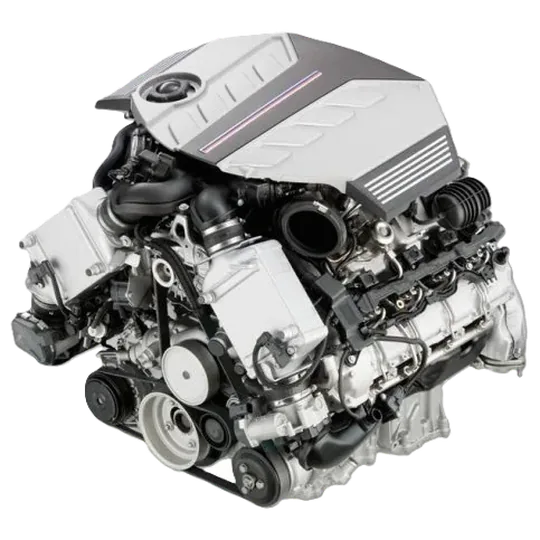
M62B46 -4.6is
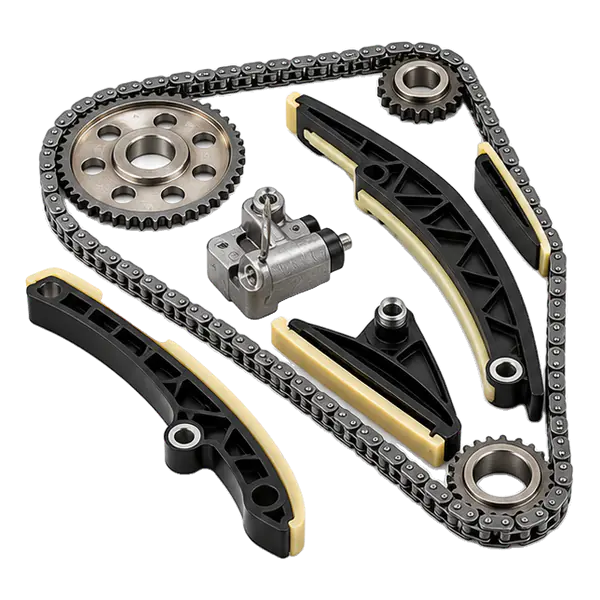
“The 4.6is is the rarest E53 engine -produced only from 2002–2003. It's based on the M62 but with increased displacement, and shares the M62's VANOS and timing chain guide vulnerabilities. Parts are harder to source than the more common 4.4i.”
Who it's for: collectors who want a rare E53 and are ready for specialist maintenance.

Most Expensive Failure
N62B48 -4.8is
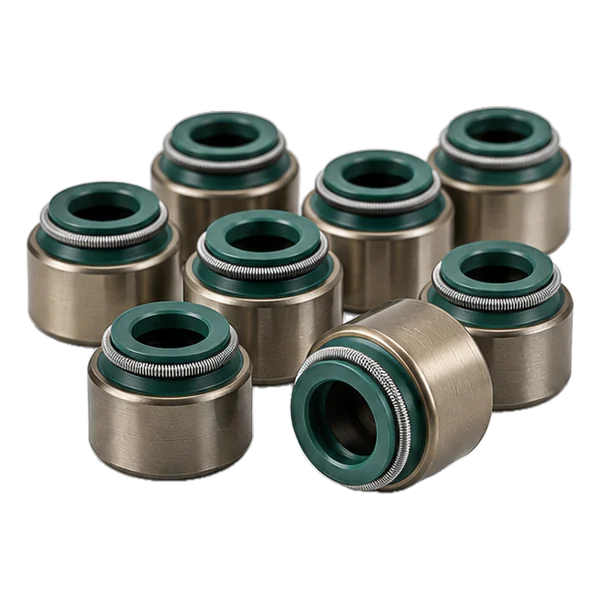
“The N62 V8 is a complex engine with Valvetronic, variable intake manifold and advanced electronics. Valve stem seal wear is a known issue on higher-mileage N62s, requiring an engine-out repair. Full replacement costs £4,000–£7,000.”
Who it's for: buyers who want flagship performance and are prepared for the bills.

Best Value
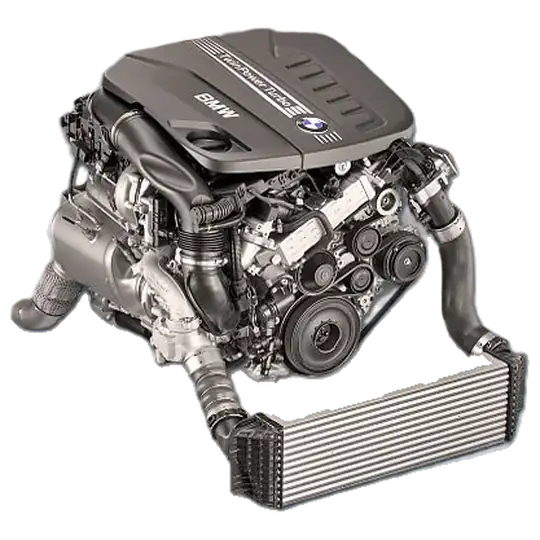
M57D30 -3.0d
“The M57 diesel offers 184–218 PS with excellent economy and strong torque. It's the most fuel-efficient E53 and a proven engine -the same unit used across BMW's range. A £2,500–£4,500 recon makes sense against a £2,000–£6,000 vehicle.”
Who it's for: buyers who want economy without sacrificing SUV capability.

Most Overlooked
N62B44 -4.4i (post-2003)
“The post-2003 4.4i with the N62 V8 offers 320 PS -a significant 34 PS increase over the M62 it replaced. It's often overlooked in favour of the 4.8is, but offers genuine V8 refinement with slightly lower running costs.”
Who it's for: buyers who want V8 power with the improved N62 engine.

BMW X5 E53 -Ownership Economics
The E53 rule
A £2,500–£4,500 M57 recon against a £2,000–£6,000 E53 sits at 42–225% of the car's value. On a sub-£2,500 high-mileage example, that brushes our 70% BMW threshold -we'll honestly tell you to walk away. Against a well-kept £4,000+ example, the same recon drops to 63–113% -assess carefully. For V8s, the calculus is different: these are future classics where maintenance costs are part of the ownership experience. Value the car first.
Common Problems

E53 Engine Replacement Costs -By Engine and Condition
No Generation variance from the Engine Page baseline -no dedicated Engine Pages exist for these families yet, so baseline figures are drawn from the EM_Proprietary_Data Table A. Labour hours estimated at 10–14 hours for six-cylinder engines, 12–16 hours for V8s, and 14–18 hours for the N62B48 due to additional complexity. The E53's engine bay is relatively spacious, but V8 work requires more disassembly.


Core Variants
Diesel & Petrol Lineup
Scope note: All variants listed are first-generation X5 E53 only. The 4.4i was produced with the M62 V8 from 1999–2003 and the N62 V8 from 2003–2006. The 4.6is was produced 2002–2003; the 4.8is replaced it from 2004–2006. All E53 models feature permanent all-wheel drive.

Market Intelligence
Most Requested E90 Engines (2025)
- 1.1. M54B30 3.0i -73 requests [EM-VERIFIED]
- 2.2. M57D30 3.0d -pattern data
- 3.3. M62B44TU 4.4i -pattern data
Most Requested E90 Variants
- 1.1. 3.0d
- 2.2. 3.0i
- 3.3. 4.4i
Average E90 Replacement Cost
£3,800 reconditioned, supply only [BMW-QUOTE]
Most Common E90 Failures
- 1.1. Timing chain guides (M62 V8)
- 2.2. Cooling system & VANOS (M54)
- 3.3. Valve stem seals (N62 V8) · Swirl flaps (M57 diesel)

BMW X5 3.0d
E53 (M57)
4
enquiries

BMW X5 4.4i
E53 (M62)
3
enquiries

BMW X5 3.0i
E53 (M54)
2
enquiries
FAQ

Why UK BMW X5 E53 Owners Trust BMWEngines.uk
Trusted E53 Engine Suppliers
every garage and engine rebuilder in our network is vetted, rated and reviewed by real X5 owners, as part of the Engine Finders network.
Compare E53 Engine Replacement Companies
see prices, warranty terms and supply & fit options side-by-side before you commit.
UK Engine Replacement Services for E53
covering every variant from 3.0i to 4.8is, with supply-only or full supply & fit available nationwide.
Find the best BMW X5 E53 engine replacement UK drivers rely on. Compare real prices from trusted specialists on EnginesMarket today and get back on the road with confidence.